
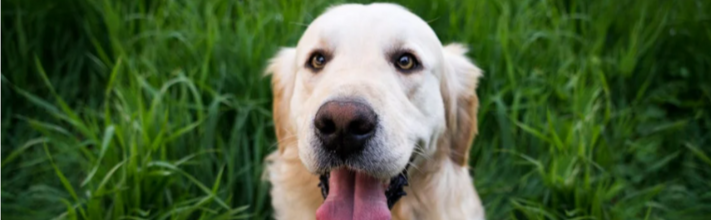
When your furry friend starts to get older, they may encounter a range of health changes that require different attention than they did when they were younger. It’s especially important to ensure you provide your senior dog with everything they need to live a happy and healthy life.
In this blog, we’ll give you our top tips on how to care for an older dog and what conditions you should be aware of to ensure your loyal pet grows old gracefully.
Here at VetUK, we have a range of dog care products and dog supplements to help support their daily life.
- Monitor for changes in behaviour in older dogs
The biggest indication that your dog is moving into their senior years is a noticeable change in behaviour. These changes may not be negative, but they may indicate a need to alter your dog’s care regimen.
Changes in eating and drinking habits
You may notice that older dogs begin to eat less over time. This can be due to a number of factors, including:
- Reduced appetite
- Dental issues
- Underlying health problems
Similarly, you may notice changes to your dog’s drinking habits, where they either drink too little or too much. This change is more concerning as it can indicate potential urinary issues or underlying problems like diabetes.
If you notice any changes in eating and drinking habits, it’s always best to see a vet to assess if there is a cause for this behaviour.
Altered sleeping patterns
You may notice that your dog is sleeping more often than usual, or they could be restless in the night. If your senior dog has disrupted sleep, it could just be a normal part of the ageing process, but it could also be associated with discomfort or joint pain.
Irritability or withdrawal
If dogs are unwell or in pain, they will typically behave differently from their usual selves. Issues like dental problems, arthritis or other age-related problems can cause behavioural changes where your dog may become withdrawn and shy away from affection or become increasingly agitated and snappy.
Mental decline
Just like humans, as dogs age, their cognitive function can decline, and this comes with its own set of symptoms. These include:
- Confusion
- Staring
- Increased restlessness
- Anxiety
- Forgetting commands or walking routes
If you notice any of these changes, you should consult your vet. With many cognitive conditions, early detection is essential to help slow the progression and make your dog’s life easier.
- Offer mobility support for senior dogs
Mobility issues are one of the most common problems for older dogs, and these can make everyday life a lot more challenging. There are, however, a number of changes you can make to make things easier for your dog:
Make your home more accessible
There are many small changes or additions you can make to help dogs with mobility issues navigate the home more easily:
- Add runners or non-slip rugs to tile or wood floors to avoid slipping.
- Add ramps or steps so your dog doesn’t need to jump onto the sofa or bed.
- Avoid neck strain by raising food bowls to head height.
- Use supportive dog beds with thick padding or memory foam to ease pressure on joints.
Gentle but regular exercise
Many conditions that occur in older dogs, like arthritis, are managed by regular exercise, but the intensity and type of exercise they do should be altered based on your senior dog’s needs:
- Hydrotherapy – Hydrotherapy for dogs or swimming can be a great way for dogs to get in their essential exercise without adding extra strain on joints. It’s also a great way to help reduce inflammation and boost cardiovascular fitness.
- Short walks – A short walk around the block or your local park gives your dog some much-needed mental and physical stimulation and the opportunity to socialise with other dogs, and also use the bathroom outdoors too.
- Stretching and muscle exercises – Your vet may recommend dedicated stretches or mobility plans for your dog. These often require your involvement to help keep joints in good condition and maintain muscle mass. You can even try out yoga for dogs, which can be a great bonding experience where you and your pup can both get involved.
Regular vet checkups
If your dog has joint or mobility issues, regular vet check-ups are essential to ensure your dog is receiving the best care. Your vet may recommend:
- Dog supplements for joint care and mobility support
- Veterinary prescriptions for anti-inflammatories
- Exercise or joint therapy
- Adjust your dog’s diet
Care for old dogs also extends to their diet, and as your furry friend moves into their senior years, the right nutrition is crucial.
Choose senior dog foods which are specially formulated to help support your dog’s health, joints and digestion. You should also adapt your dog’s feeding schedule to provide more frequent meals but with smaller portions. As older dogs burn fewer calories and have slower digestion, smaller meals prevent discomfort.
Add digestive support
Some dogs may need some additional support, like higher fibre for constipation or dog probiotics to support gut health. When you consult your vet, they will advise you on the correct supplements and veterinary diets to help your senior dog.
General care advice for older dogs
- Keep your home/dog’s areas warm – Older dogs can struggle to regulate their body temperature, and warmth/ heat can also offer soothing properties for joint pain. Heated dog beds and warm pads can help your dog feel cosy and comfortable.
- Offer extra blankets and cushions – Add blankets and cushions to your car, dog crates or any common resting places to give your dog extra insulation, cushioning and warmth.
- Arrange regular vet check-ups – Bi-annual health checks are the most common for senior dogs, and these can be used to diagnose any issues early before they have serious effects.
Invest in the right pet products for your senior dog
As your precious friend gets older, it’s important to give them the care and love they deserve. Watching your dog age can create some emotional and physical challenges, but with the right diet, healthcare and routine, you can make your dog’s senior years smoother and happier.
At VetUK, we have a team of experts on hand to offer advice and guidance on the right care for your senior dogs, as well as a dedicated blog for all the best pet care tips and tricks. If you’re wondering which products are best for your older dog, get in touch with our team, and we’ll be happy to help.
Similar blogs:
Leave a Reply